


Theo Mwangi
12 Dec, 2024
Analytics
In today's digital marketing landscape, data is the foundation of successful campaigns. Data-driven marketing strategies enable businesses to make informed decisions, optimize performance, and deliver personalized experiences that resonate with their target audience. By leveraging analytics and insights, marketers can move beyond guesswork and create campaigns that deliver measurable results.
This comprehensive guide explores how to implement effective data-driven marketing strategies. From collecting and analyzing customer data to implementing automation and personalization, we'll examine the tools, techniques, and best practices that successful marketers use to drive growth and improve ROI through data-informed decision making.
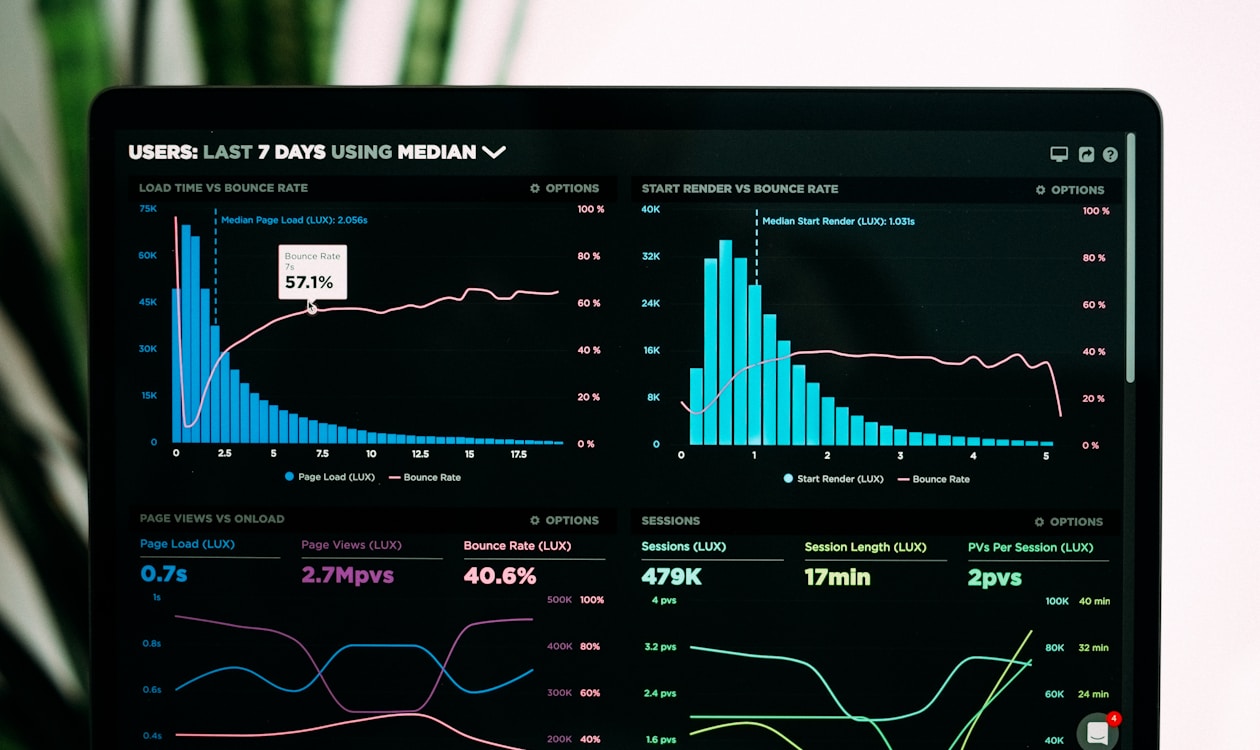
The design process involves continuous iteration and improvement
The foundation of data-driven marketing is comprehensive customer data collection. Implement tracking tools like Google Analytics, Facebook Pixel, and CRM systems to gather information about customer behavior, preferences, and interactions. Collect data from multiple touchpoints including website visits, email interactions, social media engagement, and purchase history to build complete customer profiles.
Use tools like heat mapping software, session recordings, and A/B testing platforms to understand how customers interact with your marketing materials. Remember to comply with data privacy regulations and always obtain proper consent for data collection. The more comprehensive your data collection, the better insights you'll be able to derive for your marketing strategies.
Use data analysis tools to segment your audience based on demographics, behavior, preferences, and purchase patterns. Create detailed customer personas that help you understand different segments of your audience and their unique needs. Analyze customer journey data to identify key touchpoints and opportunities for optimization.
Implement advanced analytics techniques like cohort analysis, RFM analysis, and predictive modeling to gain deeper insights into customer behavior. Use these insights to create more targeted and personalized marketing campaigns that resonate with specific audience segments. Remember that effective segmentation leads to more relevant messaging and higher conversion rates.
Leverage marketing automation tools to deliver personalized content and experiences at scale. Use data triggers to automatically send relevant emails, display targeted ads, and provide personalized website experiences based on customer behavior and preferences. Implement lead scoring systems that automatically qualify and nurture prospects based on their engagement levels.
Set up automated workflows for email marketing, social media posting, and customer follow-up sequences. Use A/B testing to continuously optimize your automated campaigns based on performance data. Remember that automation should enhance the customer experience, not replace genuine human interaction. Focus on creating automated processes that feel personal and relevant to your audience.
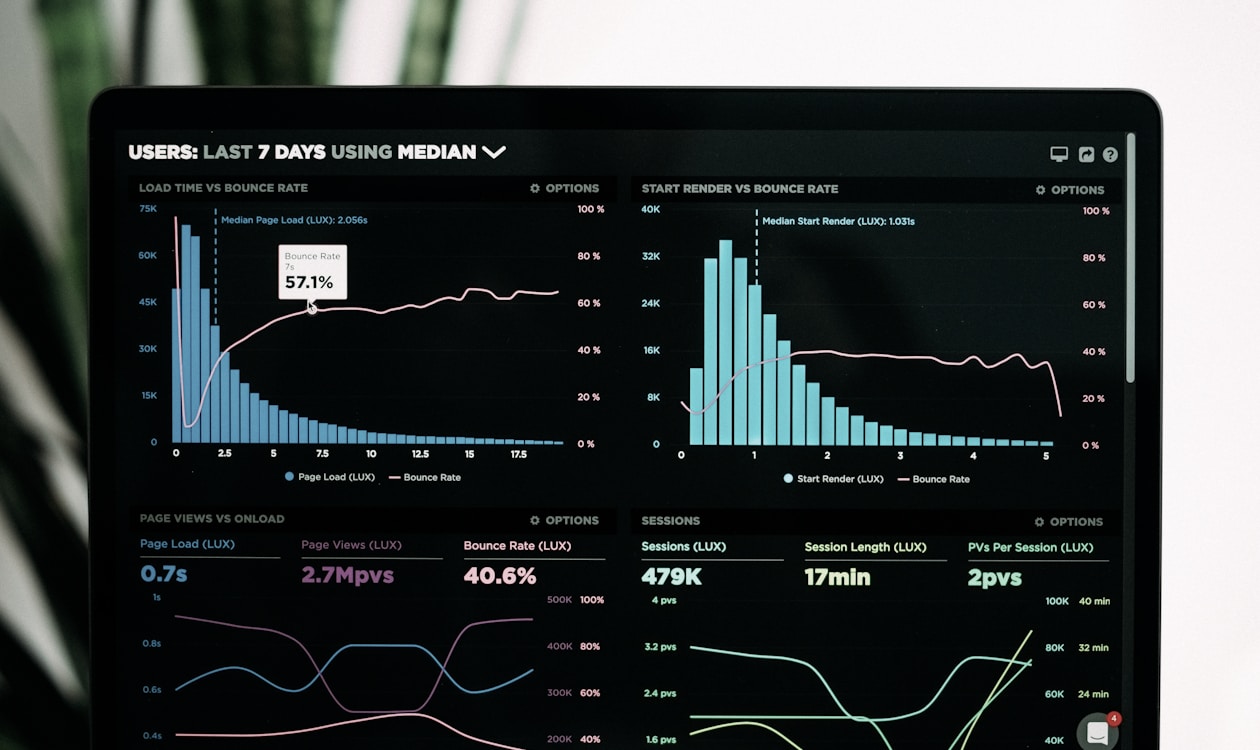
Modern design tools offer endless possibilities for creativity
Use data analytics to continuously monitor and optimize your marketing campaigns. Track key performance indicators (KPIs) like conversion rates, click-through rates, cost per acquisition, and return on ad spend. Use attribution modeling to understand which marketing channels and touchpoints contribute most to conversions.
Implement real-time monitoring dashboards to track campaign performance and make quick adjustments when needed. Use predictive analytics to forecast campaign outcomes and allocate budget more effectively. Remember that optimization is an ongoing process—regularly review your data and make incremental improvements to maximize your marketing ROI.
Use customer data to create personalized marketing experiences that resonate with individual preferences and behaviors. Implement dynamic content that changes based on user data, such as personalized product recommendations, targeted email campaigns, and customized website experiences. Use machine learning algorithms to predict customer needs and deliver relevant content at the right time.
Create personalized customer journeys that guide prospects through the sales funnel based on their specific interests and behaviors. Use retargeting strategies to re-engage customers who have shown interest but haven't converted. Remember that personalization should feel natural and valuable to the customer, not intrusive or creepy.
Use predictive analytics to forecast customer behavior and make proactive marketing decisions. Implement machine learning models that can predict customer lifetime value, churn risk, and purchase likelihood. Use these insights to prioritize marketing efforts and allocate resources more effectively.
Develop predictive models for lead scoring, customer segmentation, and campaign optimization. Use historical data to identify patterns and trends that can inform future marketing strategies. Remember that predictive analytics is most effective when combined with human expertise and business context.
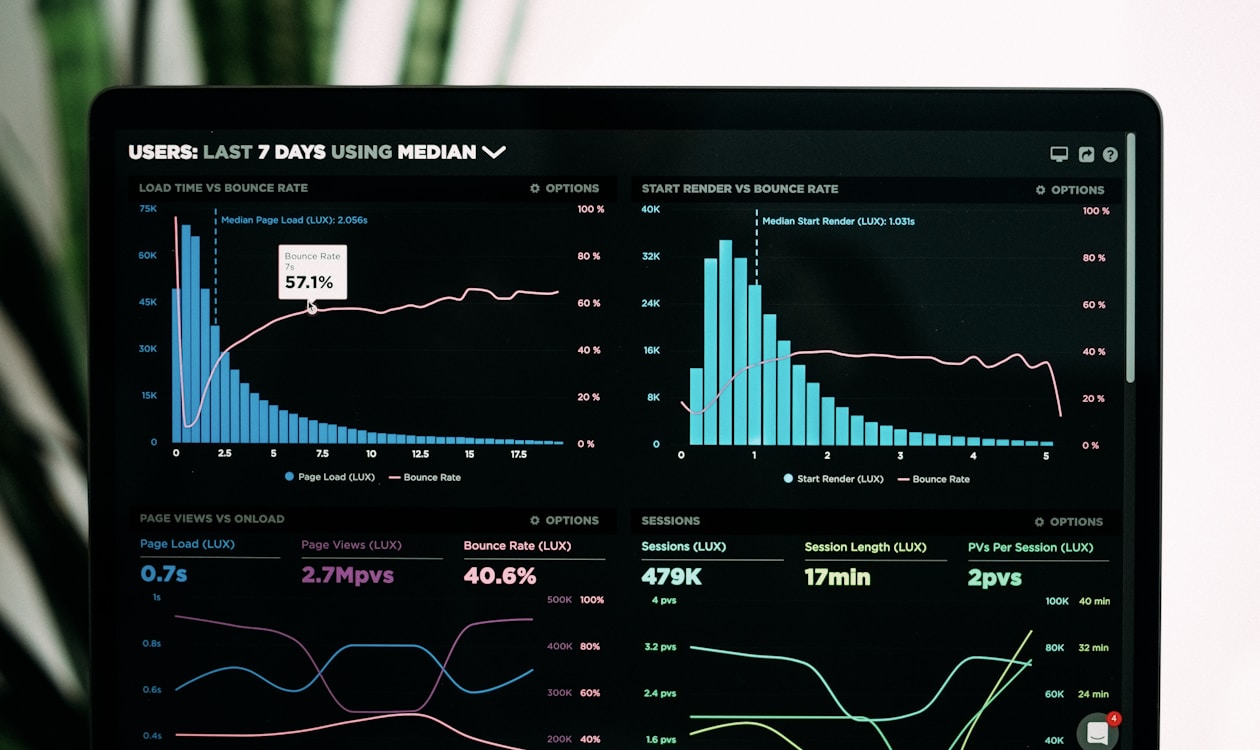
A well-crafted portfolio showcases your growth and capabilities
Use cross-channel attribution modeling to understand how different marketing channels work together to drive conversions. Implement tracking systems that can follow customer journeys across multiple touchpoints and channels. Use this data to optimize your marketing mix and allocate budget more effectively across different channels.
Develop a unified view of customer interactions across all marketing channels, including digital advertising, email marketing, social media, and offline touchpoints. Use attribution data to identify the most effective channel combinations and optimize your marketing strategy accordingly. Remember that modern customer journeys are complex and often involve multiple touchpoints before conversion.
Foster a data-driven culture within your marketing team and organization. Encourage team members to base decisions on data rather than intuition or assumptions. Provide training on data analysis tools and techniques to help your team become more comfortable working with data and deriving actionable insights.
Create regular reporting and review processes that focus on data-driven insights and performance metrics. Share data insights across departments to ensure everyone understands the impact of marketing efforts on business outcomes. Remember that building a data-driven culture requires both technical capabilities and a mindset shift toward evidence-based decision making.
Establish a continuous measurement and optimization framework for your data-driven marketing efforts. Set up regular reporting cycles to track performance against key metrics and business goals. Use A/B testing and multivariate testing to continuously optimize your marketing campaigns and improve performance over time.
Implement feedback loops that allow you to quickly identify and respond to changes in customer behavior or market conditions. Use data to inform strategic decisions and allocate resources more effectively. Remember that data-driven marketing is an iterative process—continuously learn from your data and apply those insights to improve your marketing strategies.
Comprehensive customer data forms the foundation of insights
Analyze and segment audiences for targeted campaigns
Leverage automation for personalized experiences at scale
Continuously monitor and optimize campaign performance
Create personalized customer experiences based on data
Use predictive models to forecast customer behavior
Track customer journeys across multiple touchpoints
Foster a culture of evidence-based decision making
Establish ongoing measurement and optimization frameworks
Data-driven marketing represents a fundamental shift from intuition-based decision making to evidence-based strategies. The nine strategies outlined in this article provide a comprehensive framework for implementing effective data-driven marketing approaches. Success requires a balance of technical capabilities, analytical thinking, and human insight.
The key is to start with one or two strategies that align with your business goals and gradually incorporate others into your marketing approach. Focus on building sustainable data collection and analysis processes rather than trying to implement everything at once. With consistent effort and a data-driven mindset, you'll see significant improvements in your marketing ROI and customer understanding.
Start by choosing one of these nine methods today and commit to it for the next 30 days. Whether it's setting up a daily practice routine, joining a design community, or starting your first redesign project, take that first step toward improving your design skills.
Share your design journey with us in the comments below, or connect with our community of designers for support and inspiration. Subscribe to our newsletter for more design insights, tips, and industry updates to help you stay ahead in your design career.
Explore more of our insightful articles and digital marketing strategies.
 SEO
SEO
Master the latest SEO strategies to boost your website rankings.
 Ecommerce
Transform your online store with proven conversion strategies.
 Branding
Create meaningful relationships with your audience through branding.
Partner with us to create impactful campaigns and innovative solutions. Let's combine our expertise to bring your brand vision to life.